
by Eva Volitzer
For five years, I have watched people of different ages and professions enter my acting studio in New York. They come with curiosity, ambition, uncertainty, and their own private reasons for being there. What happens when we begin to work together has taught me as much about courage and the freedom to begin again as it has about acting.
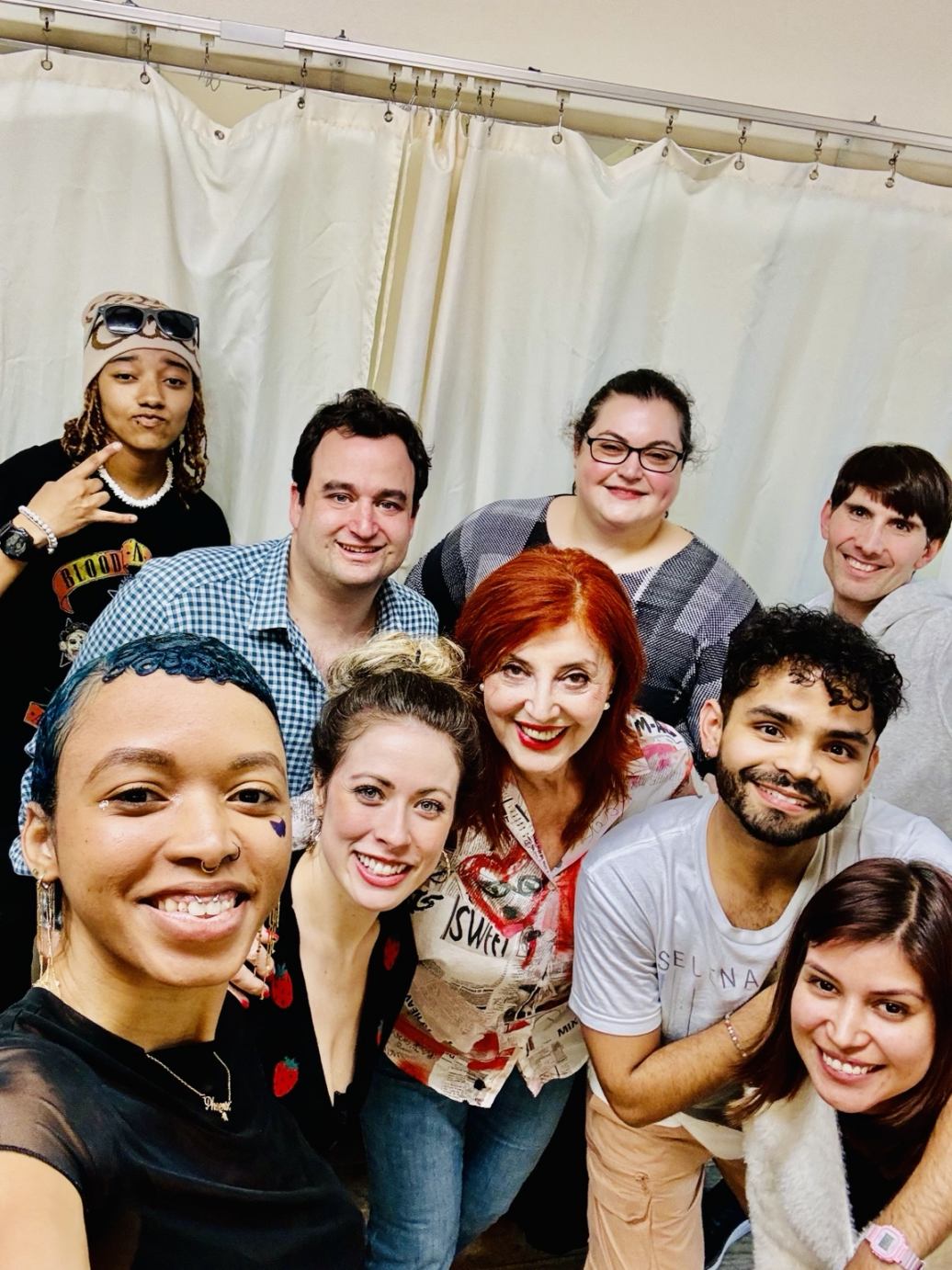
The first thing that often happens in my acting classes is laughter.
Not because someone has told a joke. Within the first hours of our work, my students find themselves running across the room, changing directions, trying to follow instructions, getting confused, making mistakes—and laughing at themselves.
For a while, the lawyer is no longer a lawyer. The psychotherapist stops observing everyone. The singer is not thinking about her voice. People of different ages, professions, and backgrounds become almost like children again: curious, involved, completely absorbed in the game.
I have watched this happen again and again during the five years I have been teaching at Eva Volitzer Actor’s Studio in New York.
Creating my own acting studio in this city was one of the boldest decisions of my professional life. I came to New York after many years as an actress, director, and professor of acting in Europe—and chose to create my own space in a city where there is certainly no shortage of places to study acting.
New York carries some of the world’s great acting traditions. I knew that. Still, I believed there was room for my own experience, my own artistic voice, and my own way of working. I wanted to create a space built on discipline and technique, but also on imagination, trust, curiosity, and genuine human connection.
What I did not expect was the extraordinary variety of people who would walk through the studio door.
Of course, professional actors come to refresh their technique or return to the fundamentals of their craft. But many of my students are not actors at all. I have taught a lawyer who works with criminal offenders, a psychotherapist, fitness instructors, a security manager, an accountant, a chef, teachers, singers, high school and college students, and people from many other walks of life.
Some are eighteen. Some are twenty-five, thirty, or forty. Several have been around sixty.
What brings such different people into the same room?
Certainly, they share a curiosity about acting. But I believe there is something more. They are willing to step outside the familiar—to challenge themselves and perhaps encounter a part of themselves that everyday life does not always allow them to express.
Our work begins with attention.
I start with exercises and games for concentration. Attention is essential to an actor, but the more I teach, the more convinced I become that it is essential to almost everything we do: to observe, to listen, to react, to remain present.
The exercises may look simple. They are not. They demand sharpened attention, quick responses, and awareness of the people around you. And yet they are also fun.
Students run, lose direction, make mistakes, laugh, and slowly become a group. The fear of doing something wrong begins to disappear. The need to be perfect becomes less important.
They begin to play.
Adults spend so much of their lives being defined by what they do. We become the lawyer, the teacher, the therapist, the accountant—responsible, professional, careful. Then, for a few hours, those definitions fall away.
Play returns.
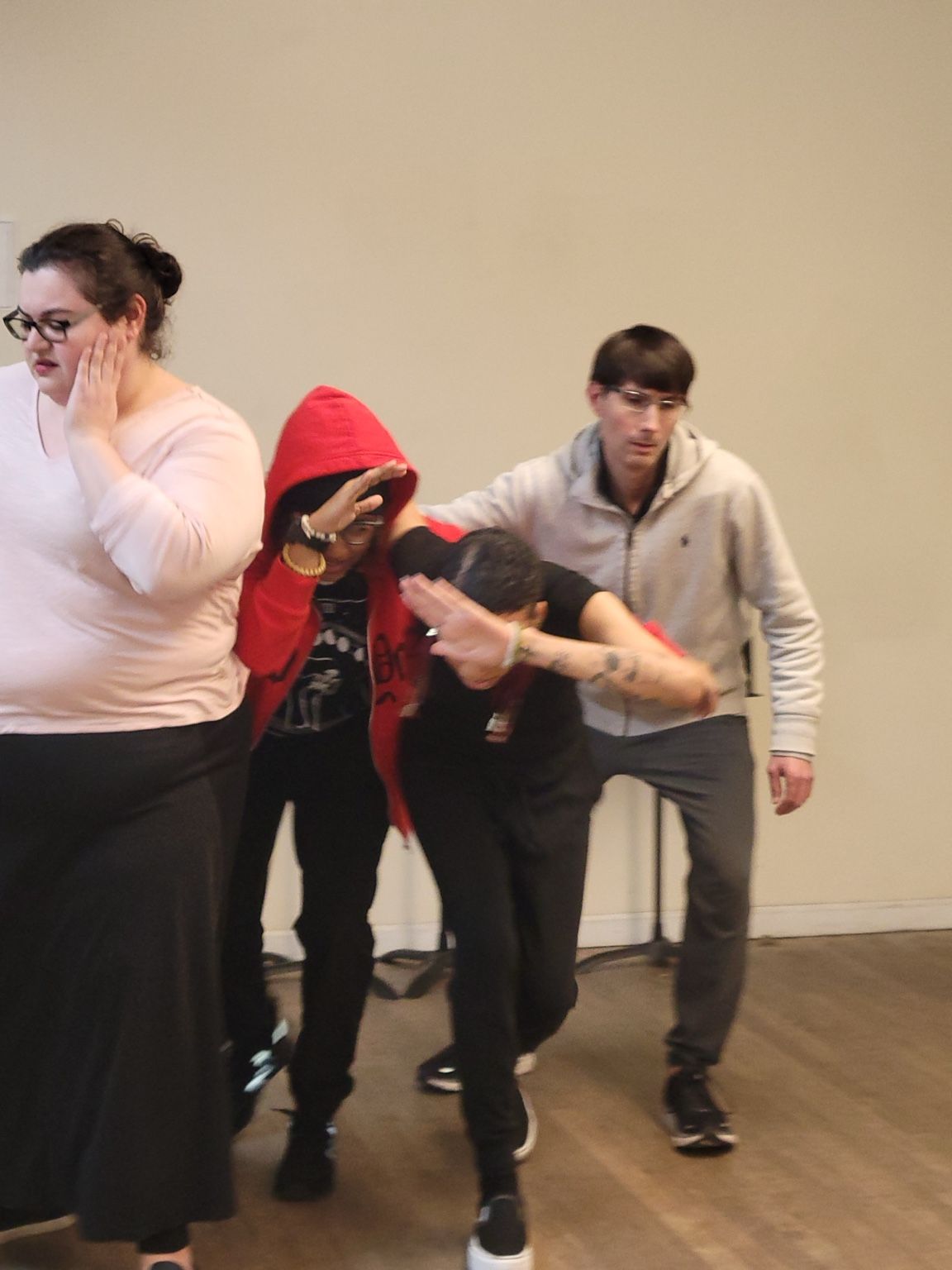
From concentration, we move through the elements of acting technique—sensory work, communication, imagination, and eventually individual stage improvisations. It is often during improvisation that something deeply personal emerges: a student’s humor, sensitivity, courage, vulnerability, or an imagination they may not have known they possessed.
The improvisations are created by the students themselves, growing out of our work together. For me, they are more than classroom exercises. They are moments when technique begins to release individuality.
This continues to excite me as both an artist and a teacher.
Five weeks is a short time. Acting is a craft, and serious training takes time. I do not believe in exaggerated promises about what can happen in a classroom.
But five weeks can be enough to build a foundation—to understand the basic principles of acting technique, to discover new confidence, and sometimes to decide what the next step should be.
One lawyer enrolled in three different courses with me.
A student in her sixties took the course twice. Later, she sent me a play she had been writing for several years and asked for my opinion. I understood what that gesture meant. She trusted me. And the truth is, her play is very good. I sincerely hope it finds its way to a stage and an audience.
A professional singer asked me to prepare her as an actress for a role in a new musical that was about to be presented to potential sponsors. We worked on the acting dimension of the role. She performed beautifully.
These moments matter to me—not because I can claim ownership of my students’ achievements. They do the work.
But even within five weeks, a creative relationship can develop between us. I challenge them. They trust me enough to take risks. I observe, push, and encourage them—and sometimes I see something in them before they are ready to see it themselves.
And they, in turn, remind me why I teach.
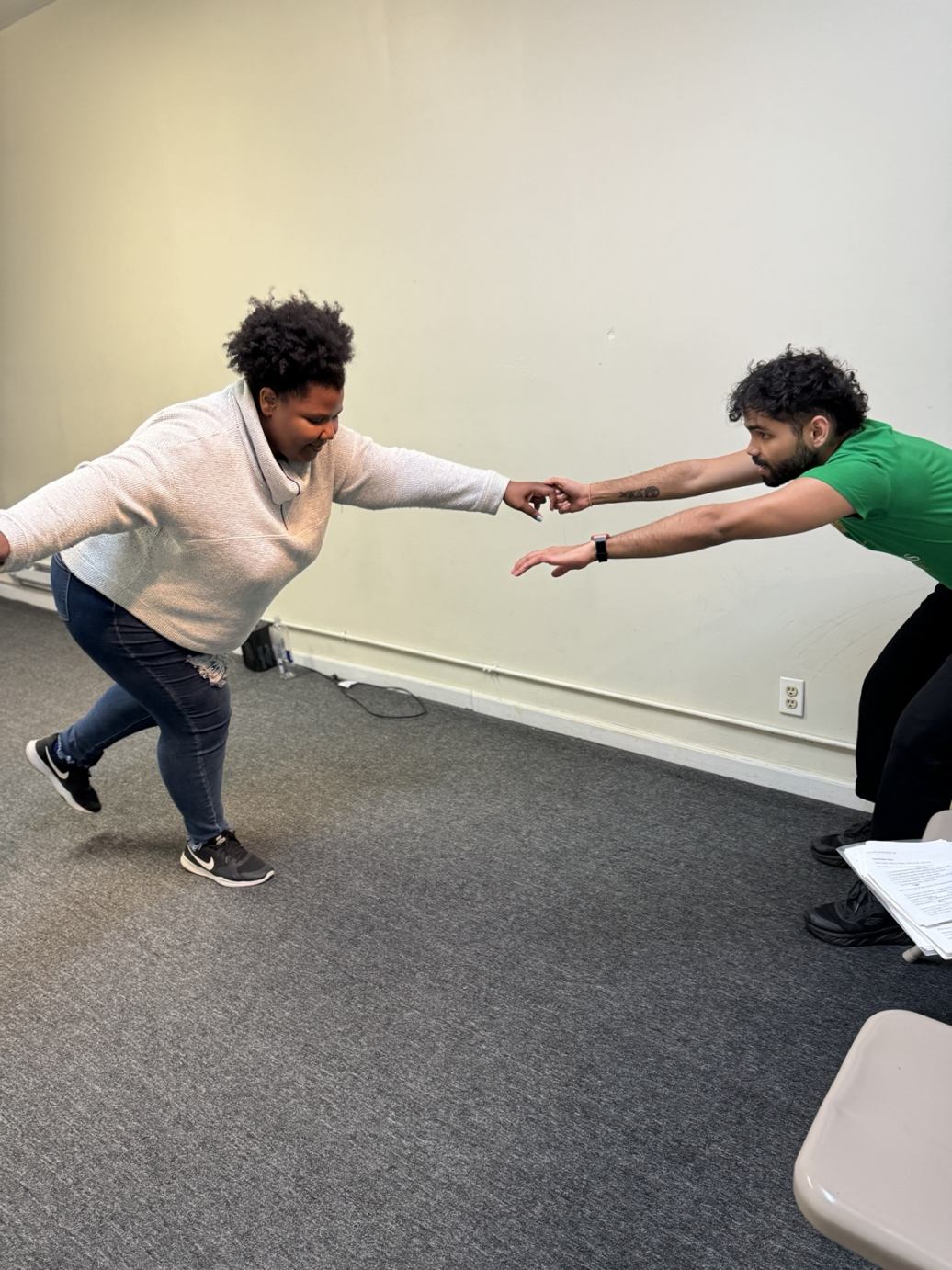
Some return for a second or third course. Some continue into two-year conservatory or bachelor’s degree programs in acting. Others return to their professions with greater confidence and a new understanding of their own creative abilities.
Each person chooses a different path. My task is not to choose it for them. My task is to give them a strong beginning.
Perhaps the most important thing my students have taught me is that the courage to begin has no age. I see it in an eighteen-year-old entering an acting studio for the first time. I see it in someone of forty who has built an entirely different career. And I see it in a person of sixty who decides there is still something new to learn, create, or discover.
I find that admirable.
My students have reminded me that setting a goal is not enough. At some point, we have to take a concrete step toward it.
We have to enter the room.
Begin the class. Write the play. Prepare for the role.
Allow ourselves to be beginners again.
Perhaps there is a certain symmetry in this. Five years ago, I also entered a new room.
After a long professional life in theatre and education, I came to New York and created my own acting studio in a city rich with extraordinary theatrical traditions. It required courage.
My students bring their own courage through the door every time a new course begins.
And then we work together.
At the end of each course, there are sincere words of gratitude. There is joy in what we have achieved. Very often, there are hugs.
I am happy for my students, but I am also grateful to them.
Teaching is not a one-way process. I bring my knowledge, experience, and artistic demands into the room. My students bring their curiosity, trust, stories, and willingness to try.
Somewhere in that exchange, we all learn.
Five weeks may not be enough to change an entire life.
But sometimes five weeks are enough to change the way we look at ourselves.
And perhaps that is one of the deepest gifts of acting—not simply learning how to become someone else, but having the courage to discover more of who we already are.